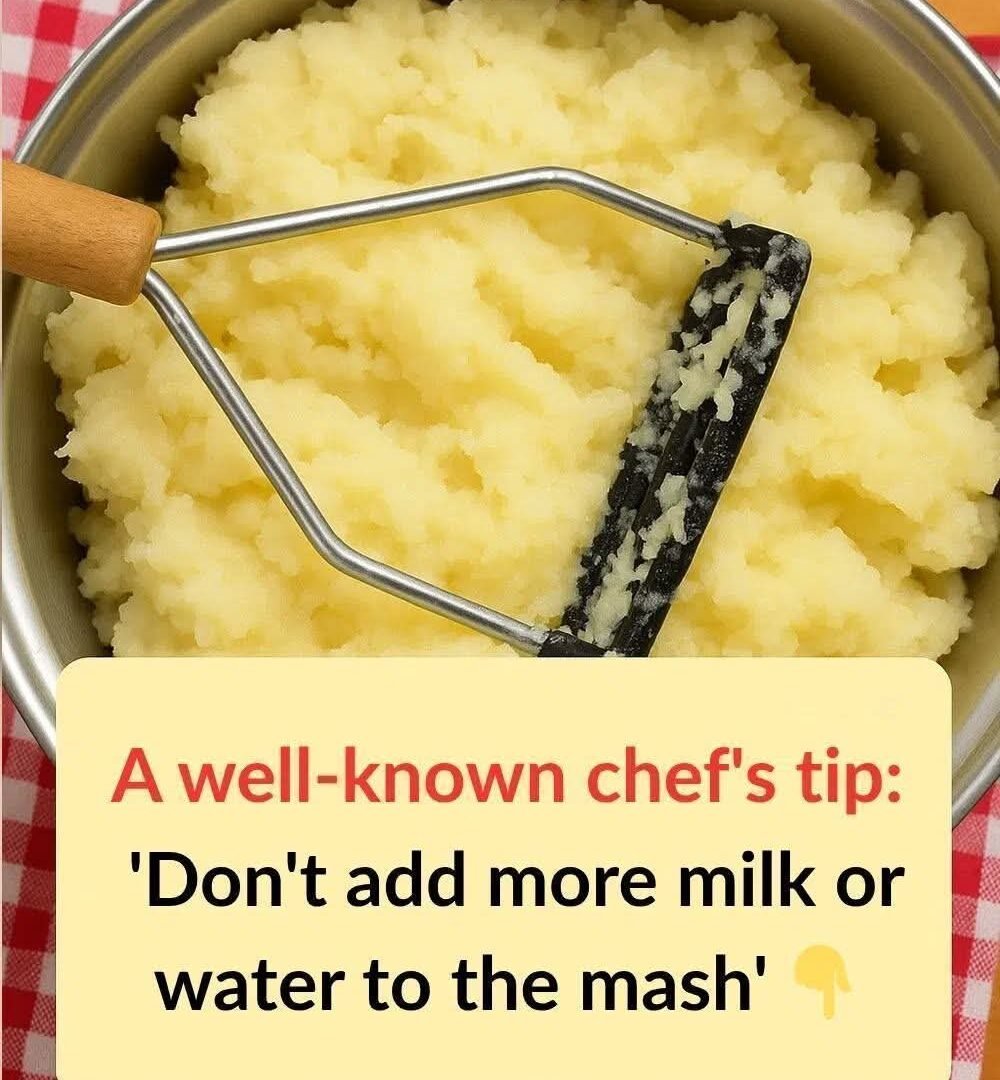
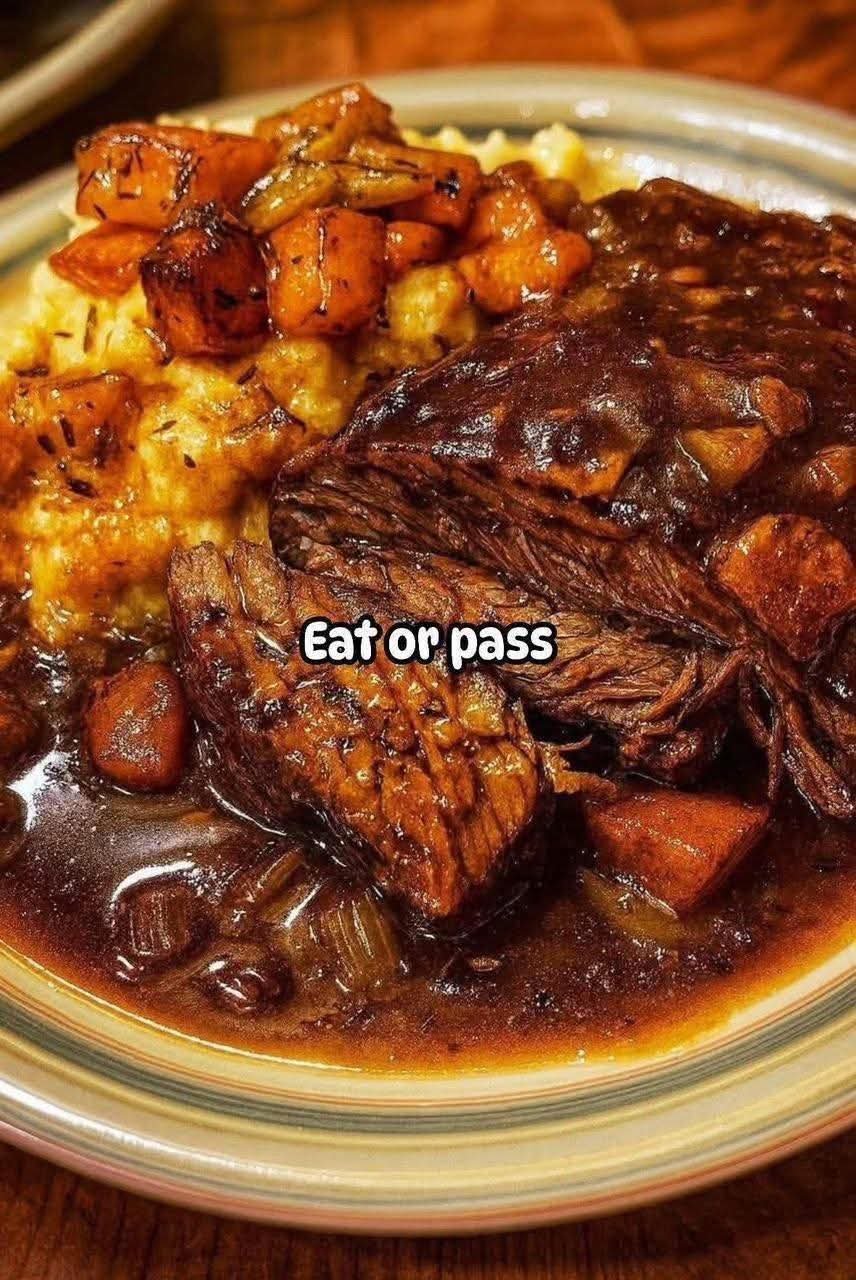
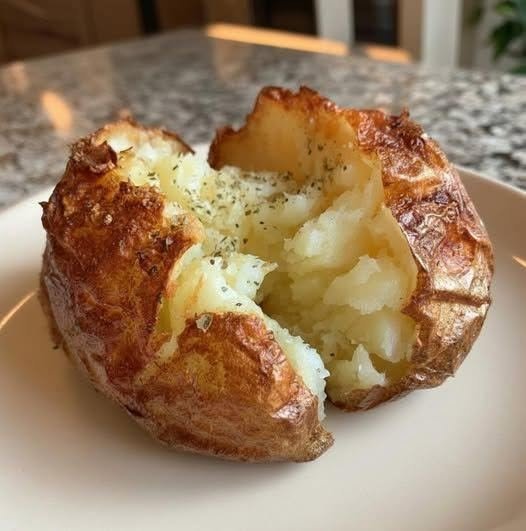
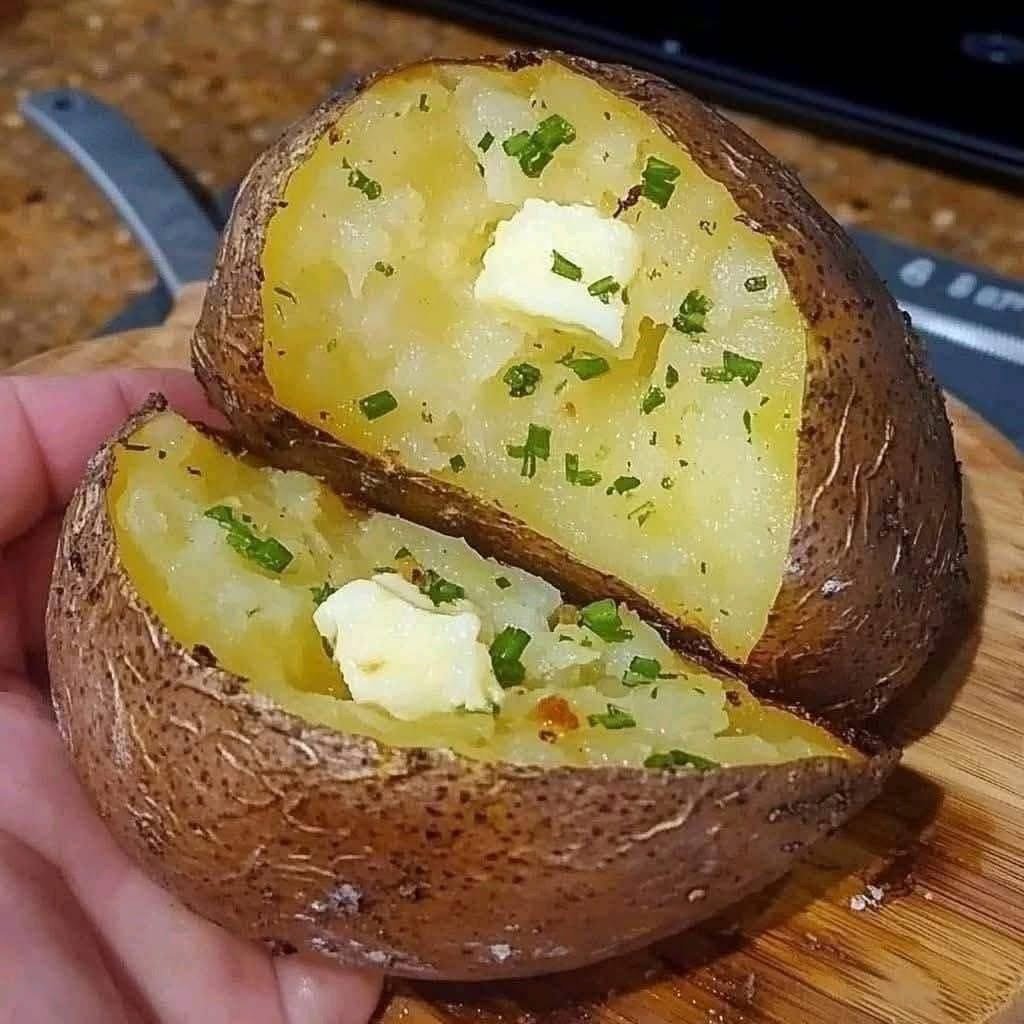
The humble potato is one of the most versatile and beloved foods worldwide. From creamy mashed potatoes to crispy fries, this tuber has a rich history and a place in kitchens everywhere. Among all its forms, the baked potato is simple yet luxurious, offering a fluffy interior encased in a golden, crisp skin. Perfect as a side or even a standalone meal, the baked potato can be dressed up with butter, cheese, herbs, or even more adventurous toppings. Whether you’re a culinary beginner or a seasoned chef, mastering the baked potato is an essential kitchen skill.
History of the Baked Potato
Potatoes originated in the Andes mountains of South America over 7,000 years ago. They were introduced to Europe in the late 16th century and quickly became a staple crop due to their adaptability and nutrition. The concept of baking potatoes as we know it today emerged in Europe, where potatoes were roasted in hearths or ovens. In the United States, the baked potato gained popularity in the 19th and 20th centuries, often served in diners and later as a classic comfort food. Today, it’s a beloved dish worldwide, celebrated for its simplicity and versatility.
Health Benefits of Baked Potatoes
Baked potatoes are more than comfort food—they’re packed with nutrients:
High in fiber (especially with skin on) for digestive health.
Rich in vitamins like C, B6, and potassium.
Low in fat when baked without excessive toppings.
Satiety-promoting, keeping you full longer.
Antioxidants in potato skin support overall wellness.
Ingredients
Here’s what you need for perfect baked potatoes:
4 large russet potatoes (ideal for baking due to starchy interior)
2 tbsp olive oil or melted butter
1 tsp sea salt
Optional toppings: sour cream, shredded cheese, chives, bacon bits, butter, herbs, or chili
Formation / Preparation
Before baking, the potato must be prepared properly:
Clean: Scrub potatoes thoroughly under cold water to remove dirt.
Dry: Pat potatoes dry with a kitchen towel.
Pierce: Use a fork to poke 4–5 holes to allow steam to escape during baking.
Oil & Salt: Rub the skin with olive oil and sprinkle salt generously—this ensures a crispy, flavorful skin.
Methods for Baking Potatoes
1. Oven Method (Classic & Reliable)
Preheat oven to 425°F (220°C).
Place prepared potatoes directly on the oven rack or on a baking sheet.
Bake for 45–60 minutes, depending on size, until skin is crispy and a fork slides easily into the flesh.
Slice open and fluff with a fork before adding toppings.
2. Microwave Method (Quick & Efficient)
Place pierced potatoes on a microwave-safe plate.
Microwave on high for 5–7 minutes per potato, turning halfway through.
Finish in oven (optional) for 5–10 minutes for a crispy skin.
3. Air Fryer Method (Crispy & Fast)
Preheat air fryer to 400°F (200°C).
Place oiled potatoes in the basket.
Cook for 35–40 minutes, shaking halfway.
Check for doneness with a fork.
4. Campfire/Grill Method (Rustic Flavor)
Wrap washed potatoes in foil.
Place in hot coals or on a grill for 45–60 minutes.
Unwrap carefully and enjoy smoky flavor.
Instructions
Choose your baking method.
Prepare potatoes as described in the formation step.
Bake until tender inside, crispy outside.
Slice, fluff, and season to taste.
Add your favorite toppings—classic or gourmet.
Tips for Lovers of Baked Potatoes
For potato lovers, consider making a baked potato bar with multiple toppings: cheese, bacon, herbs, sour cream, chili, or even roasted veggies.
Pair with hearty dishes like steak, roasted chicken, or grilled fish for a complete meal.
Serve with a dollop of herb butter for a romantic dinner twist.
Conclusion
Baked potatoes are deceptively simple yet endlessly versatile. With a little care in preparation, you can transform this humble tuber into a crispy, fluffy delight that satisfies both comfort and nutrition. Whether shared with friends, family, or a special someone, a perfectly baked potato is a dish that brings warmth to any table.