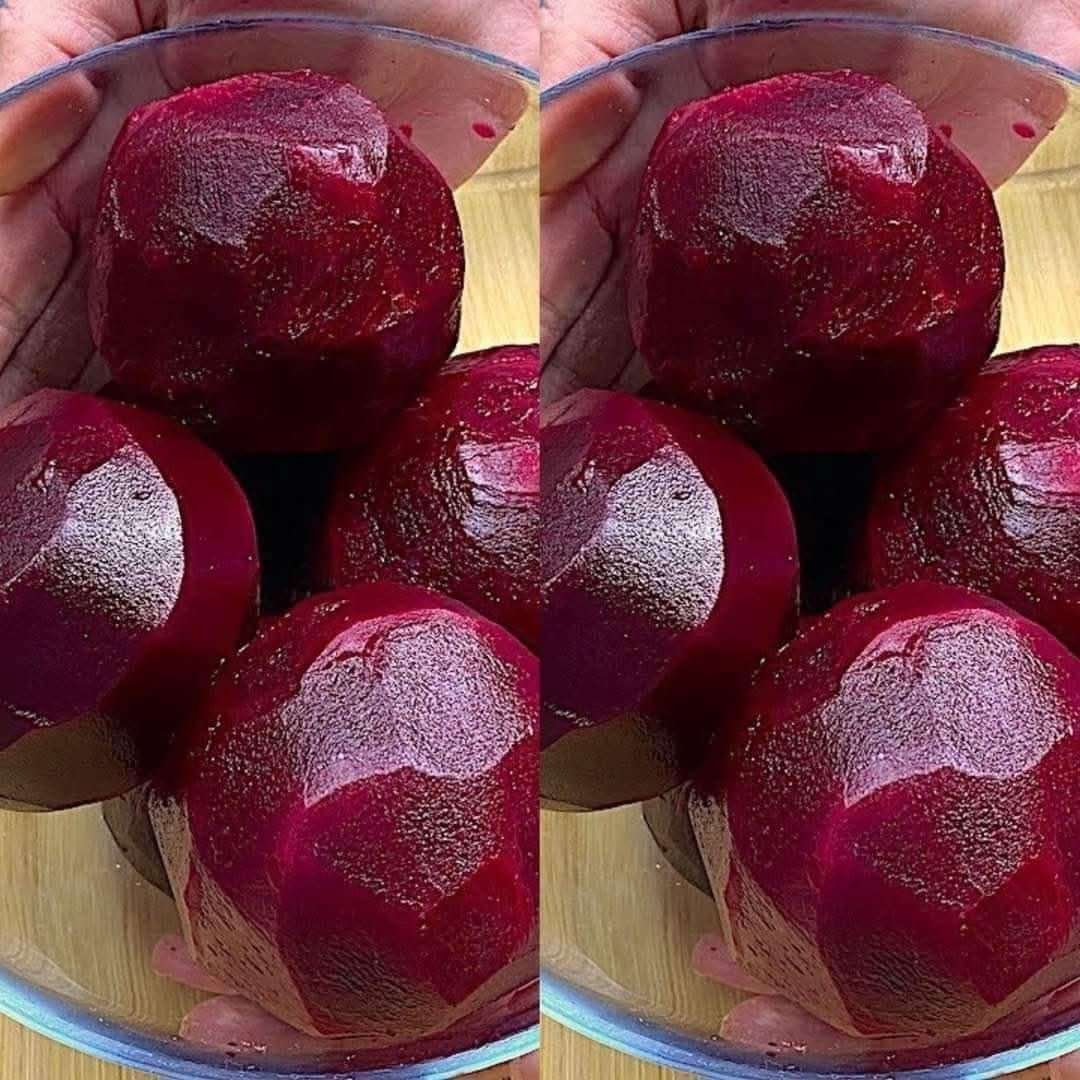
Best portion: ½–1 cup Bonus: Supports heart and brain health
🍏 2. Apples
Rich in soluble fiber (pectin)
Helps reduce blood sugar spikes
Tip: Eat with the skin on Best portion: 1 small apple
🍐 3. Pears
High fiber, low GI
Helps improve insulin sensitivity
Best portion: 1 small pear
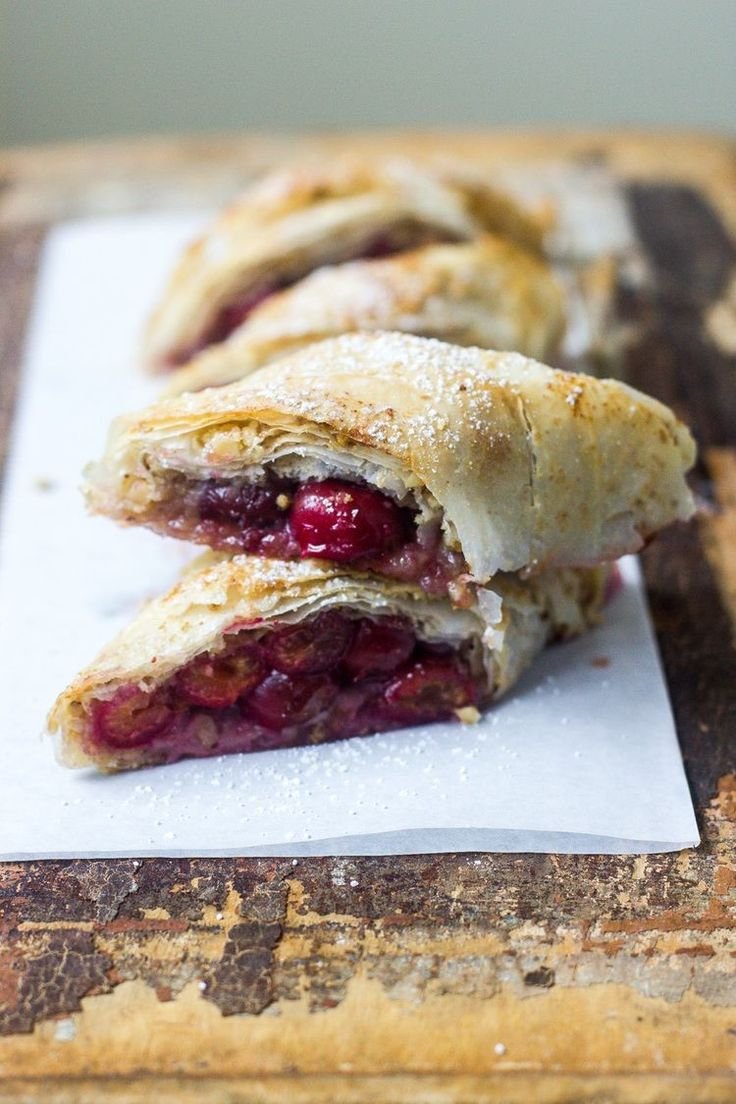
🍒 4. Cherries
Contain anthocyanins that may support insulin function
Lower GI than many fruits
Best portion: ½ cup (fresh)
🥝 5. Kiwi
Low sugar compared to many fruits
High vitamin C and fiber
Best portion: 1 medium kiwi
🍊 6. Citrus Fruits (Oranges, Grapefruit)
Fiber slows glucose absorption
Hydrating and filling
Best choice: Whole fruit, not juice Best portion: 1 small orange
🥑 7. Avocado (Yes, It’s a Fruit!)
Very low in carbs
High healthy fats
Helps stabilize blood sugar
Best portion: ¼–½ avocado
🚫 Fruits to Limit (Not Forbidden, Just Careful)
Bananas (especially ripe)
Mangoes
Pineapple
Grapes
Dried fruits (raisins, dates)
These cause faster glucose spikes, especially in large portions.
🧠 Smart Fruit-Eating Tips for Diabetics
✅ Eat fruit with protein or healthy fat
✅ Choose whole fruit, not juice
✅ Watch portion sizes
✅ Spread fruit intake across the day
❌ Avoid fruit alone on an empty stomach
🌟 The Bigger Truth
Fruit isn’t the enemy—portion size, timing, and fruit choice matter most. When chosen wisely, fruit can be a nutritious, safe, and enjoyable part of a diabetes-friendly lifestyle.
✅ Final Reminder
Always follow guidance from a doctor or registered dietitian, especially if blood sugar levels are unstable